For many London landlords, an Electrical Installation Condition Report becomes urgent at exactly the wrong moment. A tenant is ready to move in, an agent wants to list the property, keys are with a neighbour, the flat is between tenancies, and someone suddenly asks whether the EICR is still valid. At that point, a simple safety document can become a bottleneck in the whole letting process.
This guide explains what an EICR is, when it matters, what it checks, how the result should be read, what affects pricing in London and how landlords, letting agents and property managers can arrange electrical safety work without creating another layer of administration. It is written for practical decision making, not for legal advice. The exact duty can depend on the property, tenancy type, local requirements and the latest official guidance.
Property Motion approaches EICR work as part of a wider property preparation workflow. A rental property often needs electrical safety, an EPC, gas safety where relevant, photography, floor plans and sometimes virtual tours before it is ready to list or occupy. The value is not only in one report. The value is in getting the right outputs booked, delivered, stored and renewed without losing track of what each property needs.
What Is an Electrical Installation Condition Report?
An Electrical Installation Condition Report, commonly shortened to EICR, is a formal report produced after the fixed electrical installation in a property has been inspected and tested by a qualified person. In plain terms, it helps show whether the electrical system is safe for continued use and whether further work is required.
For landlords and agents in London, the EICR is not just a technical document. It is part of the property record. It can affect whether a property can be let, whether a tenant can be given the right documentation, whether an agent can proceed confidently and whether remedial work needs to be arranged before occupation.
The EICR is a report, not just a certificate
People often call it an electrical safety certificate, but in practice the key document is the report. It explains the outcome of inspection and testing, records observations and classifies issues where the installation does not meet the required standard.
What the report is designed to answer
A useful EICR answers several practical questions. Is the installation safe for continued use? Are there immediate dangers? Are there potentially dangerous defects? Is further investigation needed? Has the person responsible for the property got a clear record of what must happen next?
The detail matters more than the label
A landlord should not only ask whether the EICR has been completed. The more important question is whether the report is satisfactory, whether any remedial work is required and whether the next inspection date is clearly recorded. A report that identifies C1, C2 or FI observations normally needs prompt action before the property can be treated as safe for continued use.
When Do London Landlords Need an EICR?
For rented homes in England, electrical safety duties require landlords to make sure electrical installations are inspected and tested by a qualified person at least every 5 years, unless a shorter period is specified. The landlord must obtain a report and provide copies to tenants and the local authority when required. The government guidance explains these duties in detail through its official electrical safety standards guidance.
In London, this requirement often becomes operationally important because rental movement is fast. Tenancies can turn over quickly, agents may need documents before marketing, and property managers may handle dozens or hundreds of expiry dates across different boroughs. Missing an EICR deadline can delay a tenancy and create avoidable risk.
Before a new tenant occupies the property
A landlord should be able to provide the relevant electrical safety report to a new tenant before occupation where the rules apply. That means the EICR should not be treated as a post move in task. It belongs in the preparation phase, alongside other documents and property listing work.
Existing tenants and record keeping
For existing tenants, a copy of the report should be supplied within the required timeframe after inspection and testing. The report should also be retained until the next inspection is due or completed, unless it is replaced by a newer report.
Why timing is especially important in London
London properties often involve shared access, concierge systems, agent held keys, parking constraints, controlled entry and tight move in windows. Booking an EICR late can create practical problems even where the test itself is straightforward. It is better to treat the EICR as part of a planned compliance workflow, not a last minute item.
What Does an EICR Usually Check?
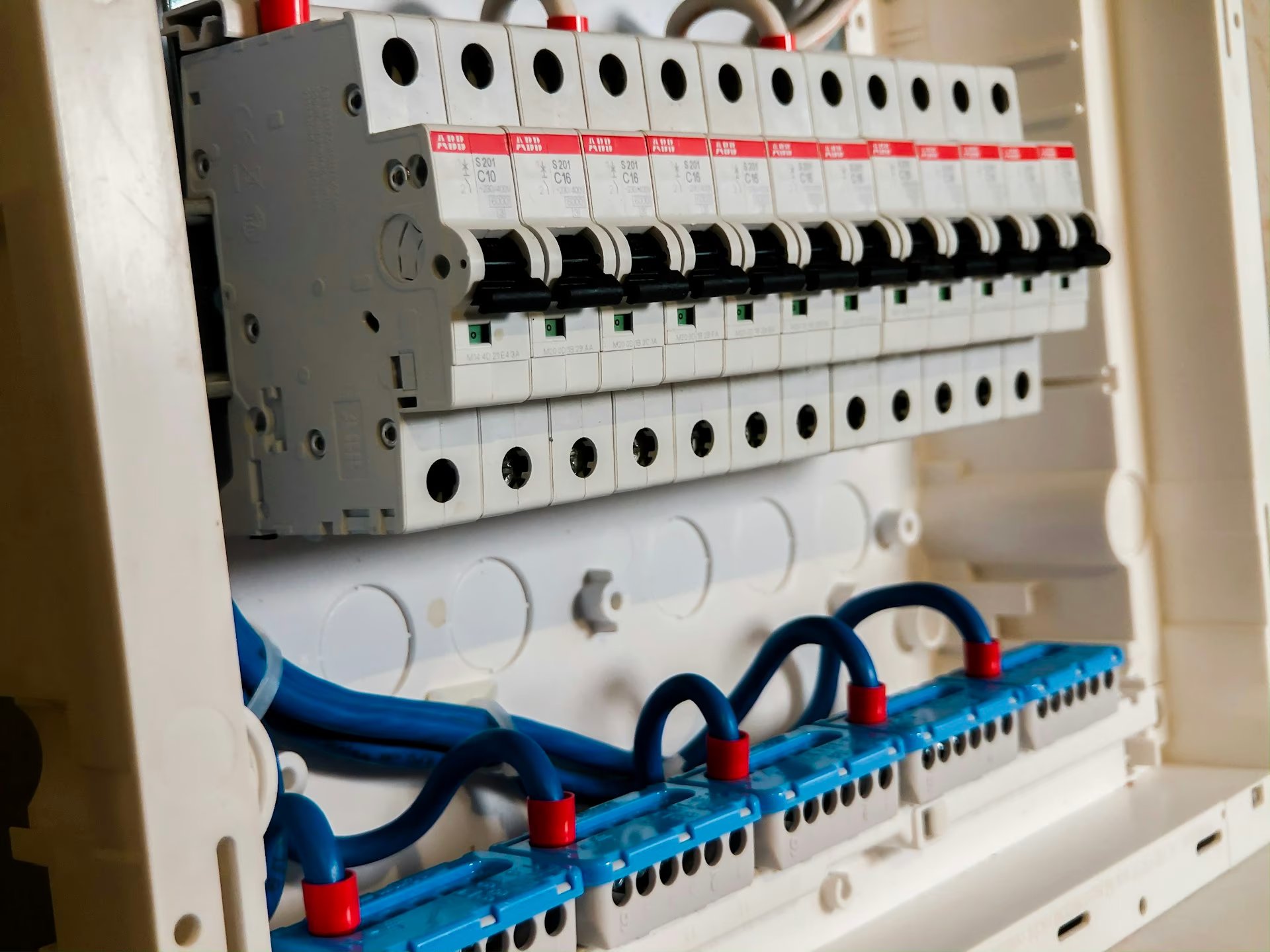
An EICR focuses on the fixed electrical installation. It is not the same as PAT testing for portable appliances, and it is not a general property survey. The inspection is concerned with the condition and safety of electrical circuits, wiring, consumer units and related fixed components.
The exact process depends on the property, access, installation type, age and condition, but the report usually looks for defects, deterioration, damage, unsafe modifications, lack of protection, risk of electric shock, fire risk and signs that the installation does not meet current safety expectations.
Typical areas covered during the inspection
| Area reviewed | Why it matters | Practical landlord takeaway |
|---|---|---|
| Consumer unit | The consumer unit is central to circuit protection and safe isolation. | Older or damaged units may trigger observations or recommendations. |
| Wiring and circuits | Inspection and testing can identify deterioration, damage or unsafe conditions. | Access to rooms, cupboards and electrical points helps avoid delays. |
| Earthing and bonding | Correct earthing and bonding reduce the risk of electric shock. | Defects in these areas can be treated seriously in the report. |
| Sockets and switches | Visible accessories can show damage, overheating or poor installation work. | Loose, broken or scorched fittings should not be ignored before a tenancy. |
| Bathroom and kitchen zones | Water and electricity create higher risk areas. | Changes made during refurbishments should be checked properly. |
| Previous alterations | Extensions, conversions and DIY changes can create hidden issues. | Provide any available paperwork to the inspector before the visit. |
What is not the same as an EICR
PAT testing, appliance checks, visual landlord checks and smoke alarm testing are useful parts of property safety management, but they are not the same as a formal inspection and test of the fixed electrical installation. A furnished flat with appliances may need both fixed installation records and sensible appliance safety management.
Why agents should check scope before booking
A letting agent managing a portfolio should confirm whether the booking is for a full EICR, remedial work, a visual check, PAT testing or another electrical service. Confusing these terms can lead to gaps in documentation and follow up work.
Need help with this service in London?
Tell us your postcode and our team will confirm pricing, availability and the best
certificate package for your portfolio.
How To Read an EICR Result Without Panic
Many landlords receive an EICR and focus only on whether the word satisfactory appears. That is understandable, but a better approach is to read the observations, the classification codes and the next steps. The report is useful because it tells you what condition the installation is in and what needs attention.
A satisfactory report usually means no required remedial or further investigative work has been identified. An unsatisfactory report means action is needed. The important point is not to panic, but not to ignore it either. The faster the issue is understood, the easier it is to protect the letting timeline.
Common EICR classification codes
- C1 means danger is present and immediate action is required.
- C2 means a potentially dangerous issue has been found and remedial work is required.
- FI means further investigation is required without delay.
- C3 means improvement is recommended, but it does not usually make the report unsatisfactory on its own.
What an unsatisfactory report means in practice
An unsatisfactory result does not always mean the property is unsafe in every respect, and it does not always mean a large repair bill. It means the report has identified issues that need proper attention. Some issues may be simple. Others may require a more detailed quote or a second appointment.
Do not treat C3 like C2
A common mistake is to treat every observation as equally urgent. C1, C2 and FI need a more serious response than C3. C3 can still be worth addressing, especially where a landlord wants to improve the long term standard of the property, but the report classification should guide priorities.
EICR Cost in London: What Affects the Quote?
The cost of an Electrical Installation Condition Report in London is not one fixed number for every property. A small studio flat, a three bedroom maisonette, a converted townhouse, a multi let property and a commercial style mixed use building can involve different levels of inspection time, access complexity and follow up work.
The most useful quote is not always the lowest visible price. A good quote should make clear what is included, what type of property it applies to, whether VAT is included where relevant, how access is handled, what happens if remedial work is required and how quickly the report will be delivered.
Property size and circuit count
Larger properties usually take longer to inspect because there are more rooms, more circuits and more electrical points. Circuit count can matter more than bedroom count. A compact flat with a simple layout may be quicker than a heavily altered property with extensions, garden electrics or multiple consumer units.
Access and key logistics
London access can affect the real cost of getting the work done. The property may be tenanted, vacant, managed by an agent, in a building with concierge entry or subject to parking controls. Missed appointments and unclear access instructions can cost more than the inspection itself through delay and rescheduling.
Older properties and previous alterations
Older London housing stock can include historic wiring, partial upgrades, extensions and landlord improvements completed at different times. These do not automatically mean a poor result, but they can make inspection more involved and increase the chance that remedial work is needed.
Want to save time?
Book your property service with Property Motion and let our team confirm the right
service, availability and next steps.
Domestic EICR, HMO Electrical Checks and Commercial Considerations
Not every property falls into the same operational category. A standard private rental flat is different from an HMO, a mixed use building, a serviced accommodation setup or a property with commercial areas. The language may look similar, but the compliance context can differ.
For landlords and property managers, the safest approach is to define the property type clearly before booking. This prevents wrong scope, wrong documentation or unrealistic turnaround expectations.
Private rented homes
For typical rented homes in England, landlords should arrange inspection and testing at least every 5 years unless the report recommends a shorter interval. The report should be available to tenants and retained as part of the property compliance record.
HMOs and licensed properties
Houses in Multiple Occupation can involve additional licensing expectations, local authority conditions and more complex safety management. The electrical installation may be under heavier use, with more occupants and shared areas. Landlords should check borough specific requirements where licensing applies.
Mixed use and commercial style properties
Where a building includes commercial space, residential accommodation or shared services, a simple domestic assumption may not be enough. The responsible person, tenancy structure and scope of inspection may need more careful review before booking. Property Motion can help coordinate the booking process, but regulatory interpretation should be confirmed with the relevant professional or authority.
How an EICR Fits Into the Full Property Preparation Workflow
An EICR is important, but it is rarely the only thing needed before a London property can be marketed or occupied. A landlord may also need an EPC, a Gas Safety Certificate where gas is present, professional photography, a floor plan, keys collected, tenant access confirmed and listing assets delivered to an agent.
This is where a platform workflow becomes useful. Property Motion is designed to help property professionals prepare, present, comply, list and manage property through one coordinated approach. Instead of treating each service as an isolated appointment, the work can be planned around the property.
Prepare before you book
Before booking an EICR, gather the property address, access notes, tenant status, known electrical issues, previous report if available and any preferred dates. This reduces admin and helps the service be scoped correctly.
Present and comply at the same time
A vacant or between tenancy property may be the ideal time to coordinate compliance checks with listing assets. For example, a landlord can arrange an EICR through Property Motion compliance management and also prepare marketing assets with professional property photography and technical floor plans.
Keep records ready for repeat management
Once the EICR is completed, the next challenge is not losing it. Portfolio owners and agents need expiry tracking, document storage and renewal reminders. That is why compliance should be managed as an ongoing property record, not a one time email attachment.
EICR and Other Landlord Certificates in London
Electrical safety sits beside other landlord responsibilities. For many London rental properties, the core compliance conversation includes EICR, EPC and Gas Safety Certificate. These documents do different jobs, renew on different cycles and involve different professionals.
The mistake is to wait for each certificate to become urgent separately. A better workflow is to map what a property needs before marketing or renewal and book compatible services early enough to avoid tenancy delay.
EICR compared with EPC and Gas Safety
An EICR checks the fixed electrical installation. An EPC rates energy efficiency and is usually needed before marketing a property for sale or rent. A Gas Safety Certificate is relevant where gas appliances, flues or pipework fall within the landlord duty. Each one protects a different part of the property readiness process.
Useful internal planning links
Landlords comparing several documents can use the Landlord Certificates London guide as a broader checklist. For energy performance, the EPC Certificates service is the natural next step. For stronger listing preparation, virtual tours can sit alongside photography and floor plans.
One property, one coordinated plan
The commercial advantage of coordinating these services is simple. The property gets closer to listing or occupation with fewer separate conversations, fewer access arrangements and better visibility of what has been completed.
A Practical London Scenario
Consider a two bedroom flat in Islington between tenancies. The outgoing tenant has left, the landlord wants the next tenancy to begin quickly and the agent wants to update the listing photos because the living room has been redecorated. The EPC is still valid, but the EICR is close to expiry and there is no clear copy in the landlord inbox.
In a fragmented workflow, one person contacts an electrician, another arranges the photographer, the agent asks for keys, the landlord checks old emails, and nobody is fully sure whether the report will arrive before the tenancy starts. If the EICR finds an issue, the whole move in date can become vulnerable.
What a better workflow looks like
A better process starts by confirming property requirements early. The landlord or agent checks the EICR expiry date, confirms whether gas is present, reviews whether the EPC is still valid, then books the required compliance and marketing services in a planned sequence.
Where Property Motion adds value
Property Motion can support that operational layer by helping arrange compatible property services through one workflow. The aim is not to replace professional judgement from qualified inspectors. The aim is to reduce admin, improve scheduling and keep the property moving from preparation to listing.
Why this matters for agents
For estate and letting agents, the benefit is consistency. Every delay can affect client trust. A structured booking and document workflow helps agents explain what has been ordered, what is complete and what is still waiting, instead of chasing multiple suppliers at the same time.
Common Mistakes That Delay Electrical Safety Reports
Most EICR delays are not caused by the report itself. They are caused by poor preparation, unclear access, missing property information, late booking or confusion about what the report actually covers.
Problems to avoid before booking
- Waiting until the tenant move in date is already fixed before checking the EICR status.
- Assuming an old report is valid without checking the date and next inspection recommendation.
- Booking a visual check when a full inspection and test is required.
- Not telling the inspector about known electrical problems before the visit.
- Providing unclear key collection or concierge instructions.
- Failing to plan time for remedial work after an unsatisfactory report.
- Confusing PAT testing with an EICR for the fixed electrical installation.
- Leaving document storage to scattered inboxes instead of a central record.
The biggest practical mistake
The biggest mistake is treating compliance as a separate admin task after marketing starts. In reality, compliance and marketing both affect the same business objective: getting the property ready for a safe, smooth and well presented letting process.
A simple prevention rule
Before any London rental listing goes live, check the status of EPC, Gas Safety where relevant and EICR. Then check whether the property has current photography, a usable floor plan and clear access instructions. This small habit can prevent several avoidable delays.
How Property Motion Helps With EICR Coordination
Property Motion helps landlords, letting agents and property managers coordinate property marketing and compliance services through a single workflow. For EICR needs, the platform can support the booking process, help connect property professionals with appropriate service providers and keep related services aligned around the property.
The purpose is not to present Property Motion as a regulator or legal authority. The purpose is to make property preparation more organised. When one property needs electrical safety, energy performance, gas checks, floor plans and listing media, the admin burden can be greater than the individual service task.
Useful for landlords
Landlords can use Property Motion to request the right service, confirm availability and manage the property preparation process more clearly. This is useful for single property landlords who do not handle compliance every week and want less uncertainty around what to arrange next.
Useful for letting agents
Agents can benefit from repeatable workflow. A branch handling multiple instructions needs reliable service ordering, consistent communication and clear document delivery. EICR coordination becomes one part of a broader listing readiness process.
Useful for property managers
Property managers need visibility across many properties. The strongest workflow is one where expiry dates, service records, next actions and renewal windows are visible before they become urgent. That turns compliance from reactive chasing into proactive management.
Final Checklist Before You Book an Electrical Installation Condition Report in London
Before booking, it helps to prepare the essential details. This makes the appointment smoother and reduces the chance that the report is delayed by missing information.
Details to have ready
- Full property address and postcode.
- Property type, such as flat, house, HMO, maisonette or mixed use property.
- Access arrangement, including keys, tenant contact, concierge or parking notes.
- Previous EICR if available.
- Known electrical issues, recent works or refurbishments.
- Preferred appointment date and urgency.
- Whether the property also needs EPC, gas safety, photography, floor plan or virtual tour services.
What to check after completion
After the report is returned, check whether it is satisfactory, whether any remedial work is required, whether the next inspection date is clear and whether the correct parties have been given a copy. Store the document with the property record rather than leaving it only in an email thread.
Next step with Property Motion
To arrange an EICR as part of a wider property readiness workflow, submit the property details through Property Motion and request a quote. The team can help confirm the relevant services, appointment options and next practical steps across compliance and marketing.
Keep reading

Landlord Certificates London: EPC, Gas Safety, EICR and Rental Compliance Guide

Gas Safety Certificate London - Landlord Guide for Checks Timing and Booking

EPC Certificate Cost London Guide for Landlords and Agents

Property Photography London Cost Process and Listing Tips
Frequently asked questions
For rented homes in England, landlords are generally required to have the fixed electrical installation inspected and tested by a qualified person at least every 5 years, unless the report sets a shorter interval. Requirements can vary by property and tenancy type, so check the latest official guidance for your exact situation.
Many people use the phrase electrical safety certificate, but the main document is usually the Electrical Installation Condition Report. It records the inspection and testing outcome, observations, classification codes and the date when the next inspection is due.
The standard interval is usually up to 5 years for rented homes in England, unless the report recommends an earlier inspection. A landlord should always check the next inspection date stated on the report.
An unsatisfactory report means required remedial work or further investigation has been identified. The landlord should arrange the necessary follow up work and keep records showing that the issue has been handled properly.
The EICR should be handled before occupation where the rules apply. Leaving it until after a tenant moves in can create legal, operational and safety risk. Treat it as part of pre tenancy preparation.
Yes. Property Motion can help coordinate compliance and marketing services such as EICR, EPC, Gas Safety where relevant, photography, floor plans and virtual tours through one property preparation workflow.
No. An EICR focuses on the fixed electrical installation. PAT testing relates to portable electrical appliances. Furnished rental properties may need separate consideration for appliances supplied by the landlord.
No. This guide is general information for landlords, agents and property managers. For legal interpretation, enforcement questions or unusual property situations, use official guidance or speak to a qualified professional.
Need an EICR for a London property?
Book electrical safety checks with Property Motion and coordinate compliance, photography, floor plans and listing preparation through one streamlined workflow.